

From Housemates Back to Partners: A Practical Reconnection Plan for Long-Term Couples
Summary
Feeling like housemates instead of partners is common in long-term relationships, especially after kids, careers, and years of routine. Gottman research shows that missed “bids for connection” and low emotional safety slowly erode intimacy. The good news? Small, consistent daily shifts rebuild closeness over 6–12 weeks. Many Springfield couples use this staged approach to move from parallel lives back to steady partnership.
When You’re Functioning Well, But Feeling Lonely
Dinner gets made.
Bills are paid.
The recycling goes out on time.
You’re a good team. Efficient. Responsible.
And yet.
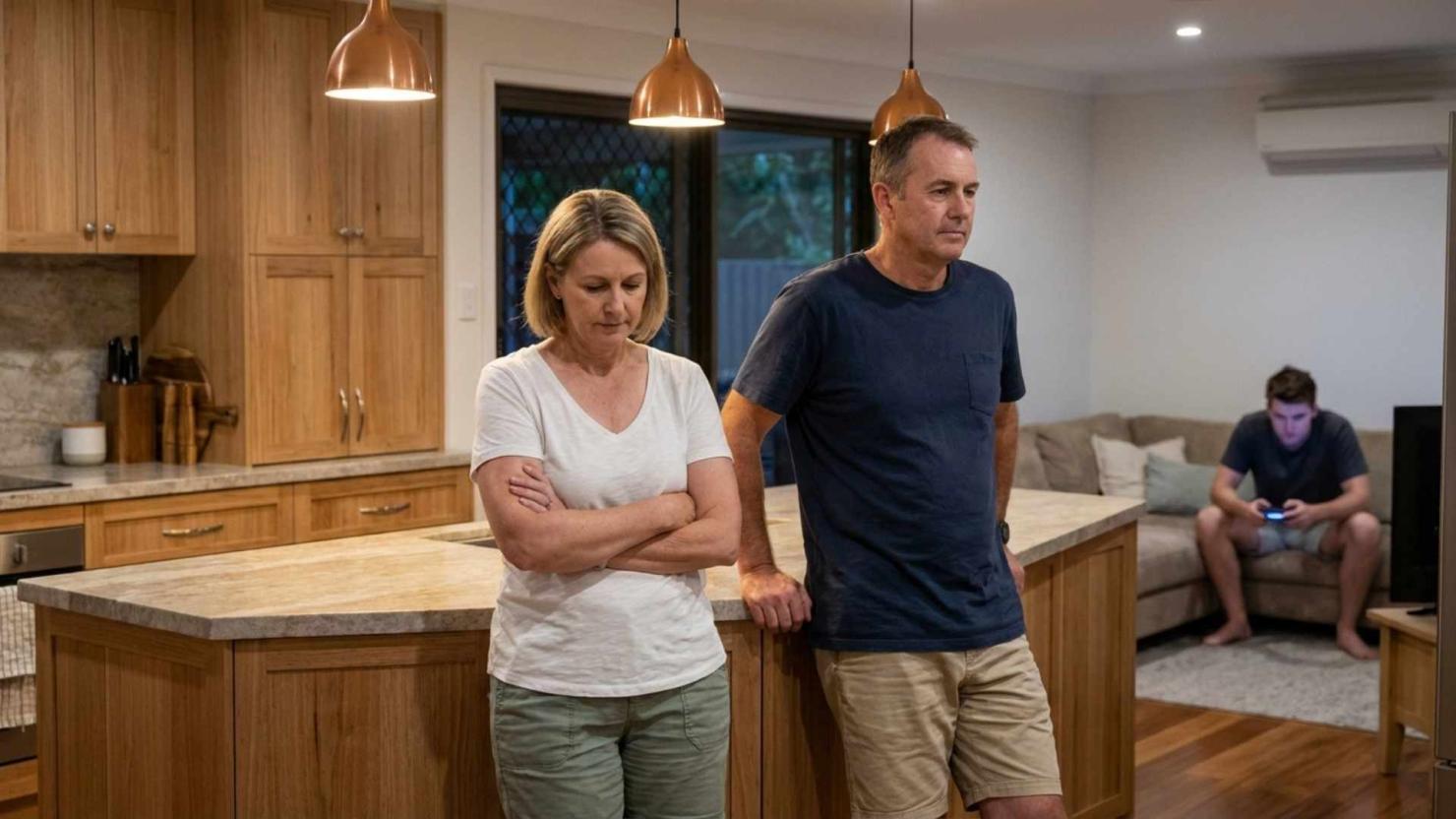
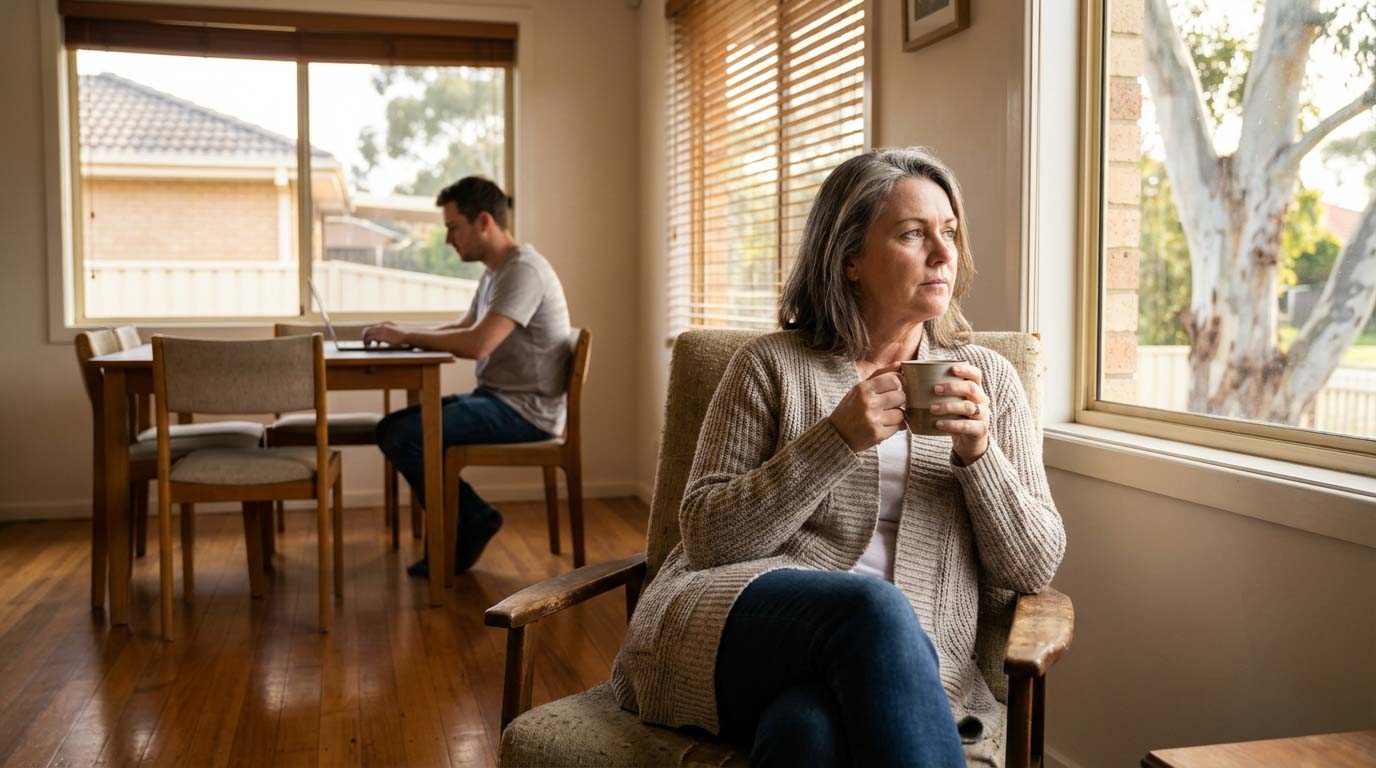
You’re sitting on the same couch at night, both on your phones, and it feels like there’s a pane of glass between you.
No big fights. No drama. Just… distance.
Many long-term couples around Springfield and Ipswich describe it the same way:
“We get along fine. It’s just like living with a roommate.”
That quiet drift can feel worse than open conflict. At least arguments mean something’s alive.
This phase is common. Especially after:
- Raising kids
- Career pressure and Ipswich/Brisbane commutes
- Caring for ageing parents
- Health scares
- The empty nest shift
The housemates phase doesn’t mean your relationship is broken.
It means connection habits quietly weakened.
And habits can be rebuilt.
Why the “Housemates Phase” Happens (And Why It’s Fixable)
The Gottman Method, one of the most researched relationship frameworks available, helps explain this clearly.
Two key ideas matter here:
1. Bids for Connection
A bid is a small attempt to connect.
“Hey, tough day?”
“Look at this.”
“Want to go for a walk?”
A touch on the arm.
Couples who thrive turn toward bids about 86% of the time.
Couples drifting apart respond closer to 30%.
Not because they don’t care.
Because they’re distracted. Tired. Busy. Preoccupied.
In a housemates phase, bids get missed. Not maliciously. Just repeatedly.
Missed bids accumulate into loneliness.
That’s strong research.
And it’s hopeful research, because it means the fix isn’t grand gestures.
It’s small, consistent turning toward.
2. Emotional Safety Shrinks Quietly
Gottman also identified the “Four Horsemen”, criticism, contempt, defensiveness, and stonewalling, as patterns that erode safety.
In the housemates stage, these often appear subtly:
- Light sarcasm
- Eye-rolling
- Shut-down silence
- Irritated tone
No explosive fights. Just low-level erosion.
When safety dips, vulnerability disappears.
When vulnerability disappears, intimacy fades.
But here’s the key:
These are patterns. Not personality traits.
Patterns can be interrupted.
The 4-Stage Reconnection Plan
This isn’t “date night fixes everything.”
It’s structured. Gentle. Realistic.
Think 6, 12 weeks for the first noticeable shifts. Months for the new normal.
Stage 1 (Weeks 1, 4): Rebuild Emotional Safety
Before you increase intimacy, you stabilise safety.
This stage is about slowing down the negative cycle.
What the Pursuer Needs
- To feel heard
- To feel their loneliness matters
- To know reconnection is possible
What the Withdrawer Needs
- Less pressure
- Space to open gradually
- Emotional safety without interrogation
The First Practical Step: The 20-Minute Check-In
Once a week.
Phones away.
One person speaks. The other listens.
Use this simple structure:
- “This week I felt…”
- “What helped was…”
- “One thing I’d appreciate next week is…”
No fixing. No counter-arguments. Just listening.
This builds emotional safety first.
Not passion. Not fireworks.
Safety.
And safety is the soil intimacy grows in.
If There’s Old Hurt
If resentment is heavy, affairs, broken trust, repeated shutdown, couples counselling becomes powerful here.
In sessions, we map the pattern safely:
- Who pursues
- Who withdraws
- What triggers what
- Where old wounds sit
Counselling handles the deeper emotional processing.
Coaching elements help you practise the new habits at home.
Integration matters.
Stage 2 (Weeks 4, 8): Daily Rituals of Connection
Once safety stabilises, consistency becomes the engine.
Research shows relationships thrive on a 5:1 ratio, five positive interactions for every negative one.
Not fake positivity. Genuine small moments.
Daily Ritual Ideas (Realistic for Springfield Life)
- 6-second kiss before work
- 10-minute coffee chat before the day starts
- A short debrief after Ipswich/Brisbane commute
- A shared dog walk without phones
- Saying “thanks for…” daily
Small. Repeatable. Sustainable.
Grand gestures fade. Rituals compound.
Love Maps, In Plain English
Love Maps mean knowing your partner’s inner world.
What stresses them currently?
What are they worrying about?
What are they excited about?
Try one question a day:
- “What’s been on your mind lately?”
- “What are you looking forward to?”
- “Anything feeling heavy?”
That’s it.
Curiosity rekindles closeness.
Stage 3 (Ongoing): Conflict as Teamwork
In housemates mode, conflict often goes one of two ways:
- Avoided entirely
- Circular and unresolved
Healthy reconnection reframes conflict.
Not me vs you.
Us vs the issue.
Antidotes to the Four Horsemen
Criticism → Use gentle start-ups
Contempt → Express appreciation
Defensiveness → Take responsibility for your part
Stonewalling → Take breaks, then return
Simple example:
Instead of:
“You never listen.”
Try:
“I feel disconnected when we don’t talk much. Can we set aside time?”
Tone matters.
Repair attempts matter even more.
A simple:
“That came out harsher than I meant. Let me try again.”
That’s repair.
And repair is intimacy in action.
Stage 4 (Months 3+): Shared Meaning and Intimacy
Emotional intimacy precedes physical intimacy.
For many couples in the housemates phase, physical closeness feels awkward because emotional connection feels thin.
Don’t force physical intensity.
Build emotional warmth first.
Shared Meaning Questions
- What do we want the next 5 years to look like?
- What traditions matter to us?
- What kind of couple do we want to be as the kids grow?
Shared vision reignites partnership identity.
From “we manage life together”
to
“we’re building something together.”
That shift changes energy.
What If One Partner Wants Reconnection and the Other Doesn’t?
Common.
Very common.
Usually it’s not that the withdrawer doesn’t care.
It’s that pressure feels overwhelming.
If you’re the pursuer:
- Reduce intensity.
- Focus on small bids.
- Appreciate responsiveness when it happens.
If you’re the withdrawer:
- Try one small gesture daily.
- Communicate when you need space.
- Understand silence can feel like rejection.
Reconnection rarely begins with equal motivation.
It begins with consistent safety.
Is the Housemates Phase Normal After 15, 20 Years?
Yes.
Particularly after:
- Raising teenagers
- Career plateaus or stress
- Health changes
- Empty nest transition
The relationship didn’t fail.
It adapted to survival mode.
Now it needs intentional rebuilding.
That’s normal.
How Long Does It Take to Feel Close Again?
First shifts: 4, 6 weeks.
More stable closeness: 3, 6 months.
Deep renewal: ongoing.
This isn’t honeymoon 2.0.
It’s sustainable closeness.
Quieter. Steadier. More secure.
And often deeper than early romance.
A Quick Self-Check: Are We in Housemates Mode?
Ask yourself:
- Do we mostly talk logistics?
- Has touch become rare?
- Do we avoid deeper conversations?
- Do we feel polite but distant?
- Is one of us lonelier than the other?
If three or more resonate, you’re likely in drift, not disaster.
Drift is reversible.
Why Trying Alone Sometimes Stalls
You can absolutely begin these stages at home.
Many couples do.
But if:
- Conversations escalate quickly
- Old hurts resurface
- One partner shuts down completely
- Attempts feel forced or awkward
That’s where couples counselling accelerates progress.
In Springfield, couples often say:
“We tried talking about it. It went nowhere.”
In structured sessions, we:
- Slow the conversation down
- Translate pursuer/withdrawer dynamics
- Teach Gottman tools in plain English
- Practise repair in real time
Counselling builds safety.
Coaching builds habits.
Together, they create momentum.
From Parallel Lives to Partners
You don’t need dramatic romance.
You need:
- Small daily bids
- Safer conversations
- Consistent rituals
- Gentle conflict repair
- Shared direction
The housemates phase doesn’t mean you fell out of love. It means life crowded love out of habit.
Habits can change.
And when they do, something shifts.
Not fireworks, But warmth.
Not intensity, But steadiness.
And often, for long-term couples, that’s even better.
Ready to Start Stage 1?
If “housemates” feels familiar, you don’t have to stay there.
A first couples session in Springfield gives you a safe space to map your pattern and start rebuilding without pressure or blame.
From parallel lives to partners starts with one honest conversation.
And you don’t have to have that conversation alone.

In this article